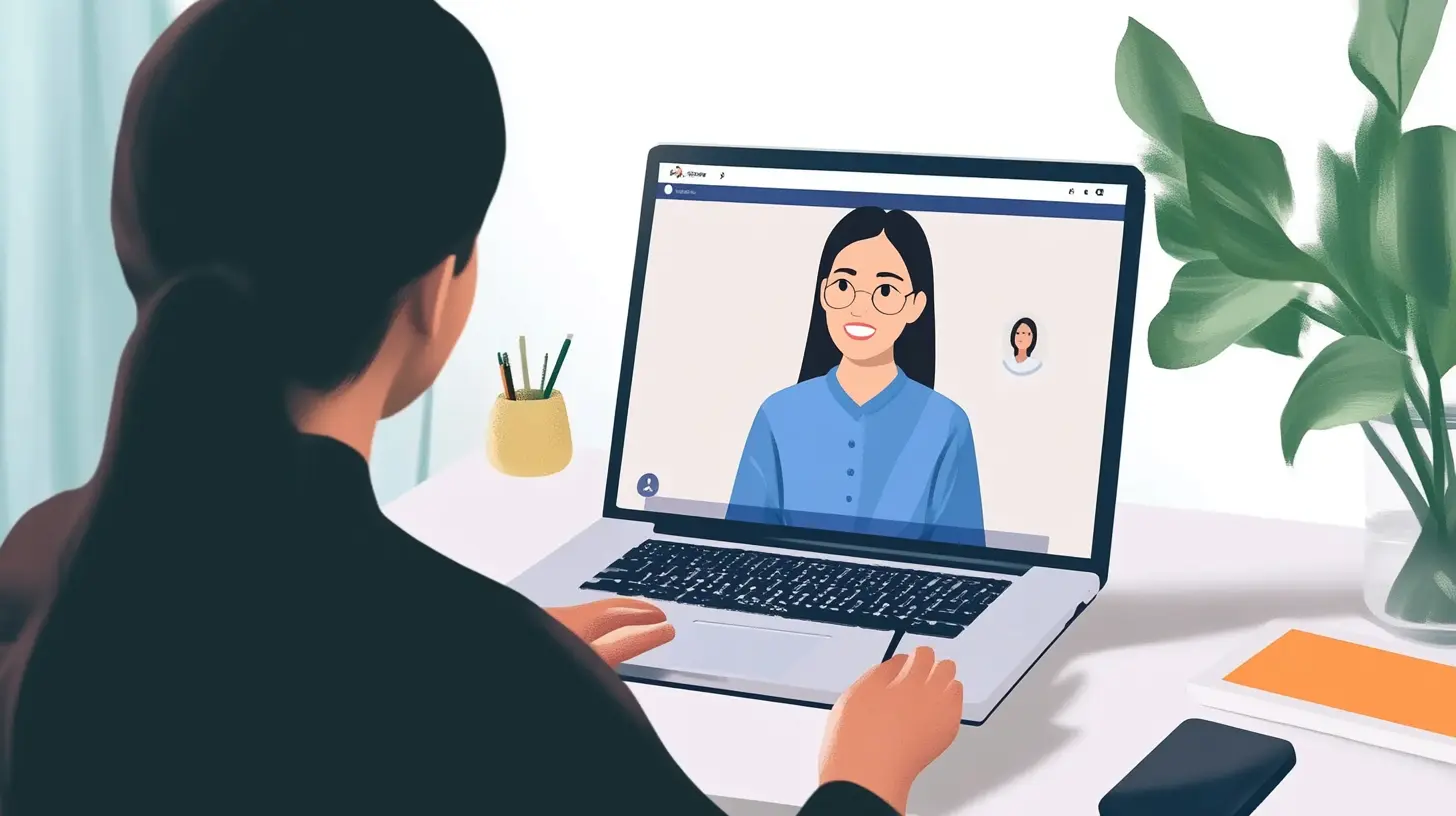
What does remote onboarding mean?
Remote onboarding is the structured process used to welcome and prepare a new employee who works from another location. The employee may be working from home, from another city, or from another country.
A remote onboarding process usually covers employment documents, payroll information, system access, equipment setup, company policies, role training, team introductions, communication tools, reporting lines, and first-week priorities. It should also explain how the employee can ask questions, receive feedback, and understand what good performance looks like.
Remote onboarding is more than sending a laptop and login details. A new hire who works remotely cannot easily learn by observing colleagues in the office. The employer needs to be more intentional about documentation, communication, training, and early check-ins.
Why remote onboarding matters for employers
Remote onboarding matters because the first few weeks strongly affect whether a new employee becomes productive, confident, and engaged. If the onboarding process is unclear, remote employees may feel isolated, confused, or unsure how to work with the main team.
This is especially relevant when hiring employees in Southeast Asia. A company may hire a finance assistant in Indonesia, a customer support specialist in the Philippines, a developer in Vietnam, or an operations coordinator in Malaysia or Thailand. These employees may be capable, but they still need clear instructions, access to tools, manager support, and a communication rhythm that works across time zones.
Remote onboarding should also connect with employment and payroll setup. Before the start date, employers should confirm the employment structure, signed documents, salary details, statutory benefit setup, leave process, equipment support, and payroll timeline.
Weshine supports employers hiring remote talent in Southeast Asia through recruitment, Employer of Record, and payroll services. This can help make the transition from job offer to first working day more structured without making the employer build every local process from scratch.
What should remote onboarding include?
A practical remote onboarding process may include:
Note: Remote onboarding should be adapted to the employee’s country, role, seniority, working arrangement, and employment structure.
Common mistakes employers should avoid
A common mistake is treating remote onboarding as a one-day orientation. Remote employees usually need structured support over the first few weeks, not only a welcome call.
Another mistake is assuming the employee will ask questions when they are confused. Some new hires may hesitate to speak up, especially when working across cultures or reporting to a manager in another country.
Employers should also avoid separating onboarding from payroll and HR setup. If salary, benefits, leave, equipment, or system access are unclear, the employee’s first experience with the company can become frustrating.