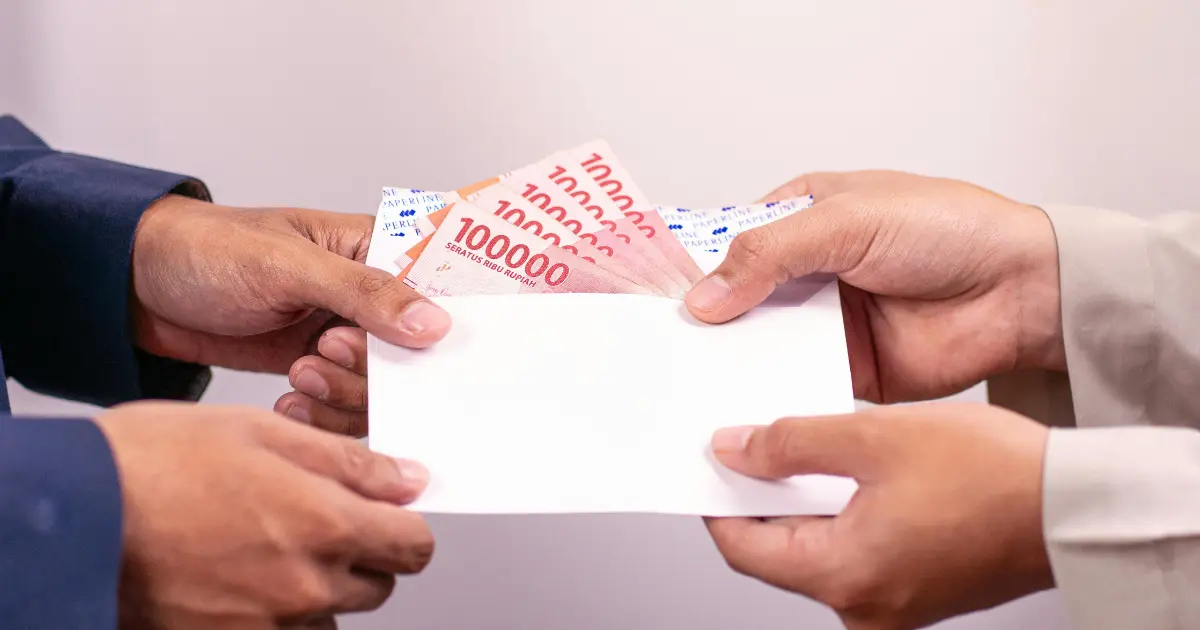
What does leave encashment mean?
Leave encashment means converting unused leave into a cash payment. It usually applies to annual leave or vacation leave, although the exact rules depend on the country and employer policy.
Leave encashment may happen during employment, at the end of the year, when leave exceeds a carry-forward limit, or when employment ends. In some cases, it may be required by local law. In other cases, it may depend on the employment contract, company policy, collective agreement, or employer discretion.
For employers, leave encashment should not be treated as an informal payment. It should be calculated using the correct salary basis, recorded in payroll, and reflected clearly in final pay or payroll documents where applicable.
Why leave encashment matters for employers
Leave encashment matters because unused leave can become a payroll liability. If a company allows employees to accumulate large leave balances, the business may need to pay out a significant amount later, especially when employees resign or are terminated.
This is important for employers hiring across Southeast Asia. Leave entitlement, carry-forward, forfeiture, and payout rules can differ across Indonesia, the Philippines, Malaysia, Vietnam, and Thailand. A policy that works in one country may not be suitable in another.
Employers should also be careful when leave encashment appears in final pay. Singapore MOM’s guidance on termination with notice explains that unused annual leave treatment may depend on the termination situation. While Singapore is not Weshine’s hiring market, it is a useful example of why employers should check the local rule before assuming unused leave is always paid out the same way.
For employers hiring in Southeast Asia, Weshine’s Southeast Asia country guides can support early planning around leave, payroll, and employment obligations.
Unused leave payout in Southeast Asia
These are the general rules for paying out unused annual leave. Company policy can be more generous.
Note: This table is a general guide. Payout rules can depend on the contract, company policy and the reason employment ends, so check the current local rules before paying out leave.
Common mistakes employers should avoid
A common mistake is allowing leave balances to build up without tracking the financial impact. Accrued leave can become a cost if it must be paid out later.
Another mistake is calculating leave encashment using the wrong pay basis. Employers should confirm whether the calculation uses basic salary, gross salary, average pay, or another basis under local rules or contract terms.
Employers should also avoid using leave encashment to discourage employees from taking time off. Paid leave is normally intended to support rest and wellbeing. Encashment should be handled carefully and in line with local requirements.